

There are more types of trailers than most people realise, and each one is built around a particular kind of load. Knowing the main types of trailers makes buying much simpler, because once you can name what you need, the choice narrows to a handful of sizes. Here are the ten we get asked about most, what each one is good at, and where it falls short.
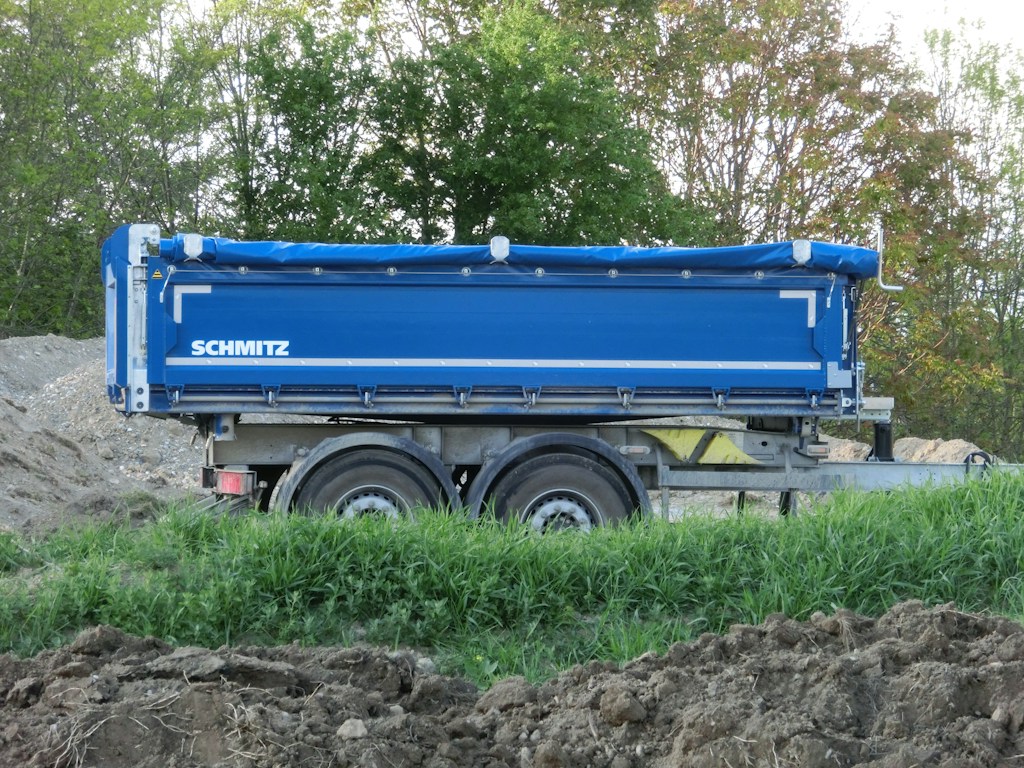
1. Utility trailers
The everyday open trailer. A flat deck with low sides, usually a fold-down rear gate, on one or two axles. Utility trailers carry garden waste, mowers, timber, furniture and trips to the tip. Small 5×8 and 5×10 models tow behind most cars; longer tandem decks handle crews and compact tractors.
Good at: cheap, versatile, easy to load. Not so good at: keeping loads dry or secure. See our utility trailers, such as the 5×10 utility trailer.
2. Enclosed cargo trailers
A box on wheels with walls, a roof and lockable doors at the back (barn doors or a ramp), often with a side door too. Of all the types of trailers, this is the one tradespeople, movers and vendors rely on most, because tools and stock stay dry and out of sight.
Good at: security, weather protection, doubling as mobile storage. Not so good at: tall loads and crosswinds. Browse the enclosed trailers, for example the 7×14 enclosed trailer.
3. Equipment and flatbed trailers
Strong open decks with ramps, built for machines: skid steers, mini excavators, compact tractors. They have heavier frames and axles than utility trailers and plenty of chain points. Most sit between the wheels with about 7 ft (2.1 m) of usable width.
Good at: heavy machines. Not so good at: very wide loads. See the equipment trailers, like the 7×20 equipment trailer.
4. Deckover trailers
A flatbed with the deck built over the wheels, giving the full 102 in (2.59 m) width. Forklifts can load from either side and wide machines fit without overhanging fenders. It’s the trailer version of a flatbed truck.
Good at: pallets, wide machines, long loads. Not so good at: low ramp angles, because the deck sits higher. Try the 20 ft deckover trailer.
5. Tilt and load trailers
Instead of ramps, the whole deck tips to the ground. Gravity tilts move when the load passes the pivot; power tilts use a hydraulic pump. Among the types of trailers for machines, these are the easiest and safest to load.
Good at: ramp-free loading, low cars. Not so good at: very tall loads on deckover versions. See the tilt and load trailers, such as the power tilt trailer.
6. Dump trailers
An open steel box that tips up with a hydraulic cylinder, so a load of gravel or soil slides out in seconds. Contractors, landscapers and farmers use them for bulk material and waste.
Good at: unloading heavy loose material fast. Not so good at: light, bulky loads, and they’re heavy empty. Look at the dump trailers, for example the 5×10 dump trailer.
7. Car haulers
Open trailers built for vehicles, usually with a dovetail at the back to lower the loading angle and tie points for wheel straps. Enclosed car trailers do the same job with a roof and walls.
Good at: moving cars and light trucks. Not so good at: general cargo. See the car hauler trailer and the enclosed car trailer.
8. Snowmobile trailers
Sled haulers, open or enclosed. Enclosed aluminum versions keep sleds clean and give riders somewhere dry to change at the trailhead. They double up as summer trailers for bikes and ATVs.
Good at: winter roads, salt resistance. Not so good at: heavy machinery. Browse the snowmobile trailers.
9. Horse trailers
Horse trailers come in bumper pull and gooseneck versions, with slant or straight load stalls, ventilation, padded dividers and non-slip floors. The horse trailer article explains the layouts in detail. These are the types of trailers where interior height and smooth suspension matter most.
Good at: moving horses safely. Not so good at: anything else. See the horse trailers, like the 3 horse trailer.
10. Living quarters trailers
Horse trailers with a living area up front: bed, kitchen, bathroom, sometimes a slide-out. They let owners stay with their horses at shows and long rides.
Good at: comfort on long trips. Not so good at: light towing, as they’re heavy. Browse the living quarters horse trailers.
Types of trailers compared
| Type | Best for | Typical size |
|---|---|---|
| Utility | Garden, household, light trade | 5×8 to 7×20 ft |
| Enclosed cargo | Tools, stock, moving | 6×12 to 8.5×24 ft |
| Equipment / flatbed | Machines up to mid-size | 7×16 to 7×22 ft |
| Deckover | Wide loads, pallets | 20 to 35 ft, 102 in wide |
| Tilt and load | Machines, cars, no ramps | 6×12 to 8×26 ft |
| Dump | Gravel, soil, waste | 5×10 to 7×16 ft |
| Car hauler | Vehicles | 16 to 24 ft |
| Snowmobile | Sleds | 7×19 to 7×25 ft |
| Horse | 1 to 6 horses | Varies |
| Living quarters | Horses plus people | Varies |
Bumper pull or gooseneck?
Most types of trailers come with a standard bumper pull hitch, which connects to a ball on the back of your vehicle. Larger horse trailers, deckovers and some tilt decks use a gooseneck instead, with the hitch in the bed of a pickup over the rear axle. A gooseneck tows steadier and turns tighter, but you need a pickup set up for it. The page on the tow hitch covers the different kinds.
Single or tandem axle?
Any of these types of trailers can be single or tandem axle, depending on size. Single axles are lighter, cheaper and easier to move by hand. Tandems carry more weight, track straighter and are more forgiving if a tyre fails. As a rough rule, anything over about 14 ft or carrying machines should be a tandem.
Steel, galvanized or aluminum?
Painted steel is cheapest. Galvanized steel resists rust much better and suits trailers stored outside. Aluminum is light and rust-free, and holds its value well. The right choice depends on your budget, your roads and how long you’ll keep the trailer.
Other types of trailers you’ll come across
Beyond the ten above, there are plenty of specialist types of trailers. Boat trailers have rollers or bunks shaped to a hull. Livestock trailers have slatted sides for airflow and tough floors for cattle, sheep or pigs. Motorcycle trailers are small, light and fitted with wheel chocks. Travel trailers and caravans are homes on wheels, closer to a recreational vehicle than a work trailer. Fridge trailers keep food cold at events. Most of these are built for one job only, which is why the general-purpose types of trailers above sell in far bigger numbers.
How the costs compare
As a rough order, small utility trailers are the cheapest, followed by larger utility decks, small enclosed boxes and light tilt trailers. Equipment trailers, dump trailers and big enclosed trailers sit in the middle. Heavy deckovers, power tilts and horse trailers cost more, and living quarters trailers are at the top, priced more like a vehicle than a trailer. Within each of the types of trailers, galvanized and aluminum versions cost more than painted steel, and tandem axles more than single. Used trailers bring all of those prices down noticeably.
Looking after any trailer
Whatever you choose, the care is much the same across all types of trailers. Check tyre pressures and lights before each trip, grease the wheel bearings about once a year, rinse off mud and road salt, and go round the frame and coupler once a season looking for anything loose or rusty. Trailers are simple machines, and a little regular attention keeps them safe and working for many years.
Which of the types of trailers is right for you?
Start with the load, not the trailer. List what you’ll carry most often, check what your vehicle can tow, and the right type usually becomes obvious. Our step-by-step guide on how to choose a trailer takes you through it, and once you’ve bought one, our trailer towing tips help you use it well.
Types of trailers: quick questions
What are the most common types of trailers?
Utility, enclosed cargo, equipment, tilt, dump, car hauler, snowmobile and horse trailers.
Which type of trailer is most versatile?
For most households, a utility trailer. For trades, an enclosed cargo trailer. For machines, a tilt and load trailer.
Can one trailer do several jobs?
Often, yes. A tilt deck carries machines and cars; an enclosed trailer carries tools, bikes and furniture.
Do you sell all these types of trailers?
Yes. Every type in this guide is in our range, and we deliver worldwide.
Which types of trailers hold their value best?
Galvanized and aluminum trailers of any type tend to sell for more when you come to move them on, because their frames age so well. Well-kept enclosed trailers and tilt decks are also in steady demand on the used market.
Find your trailer
Now that you know the main types of trailers, browse the full shop or the used trailers for a bargain. If you’re unsure which suits you, contact us and we’ll help.