
Description
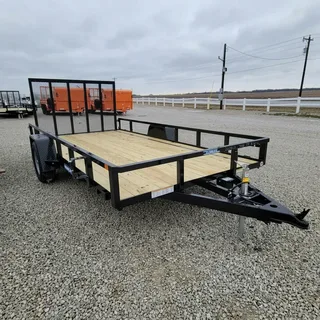
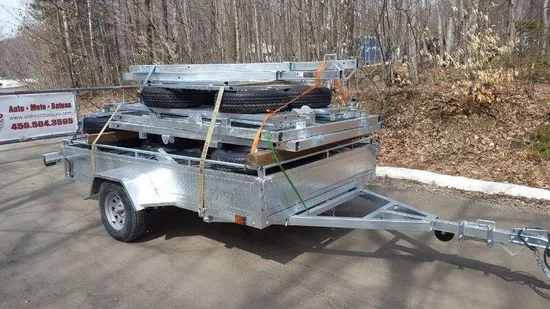
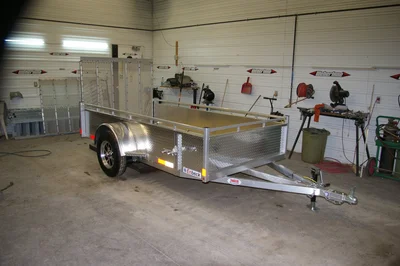
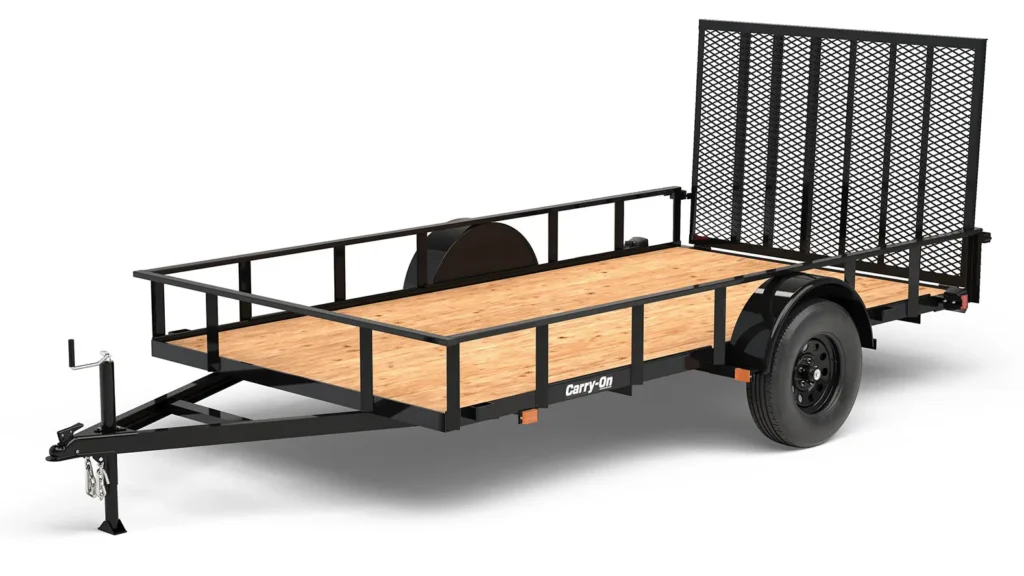
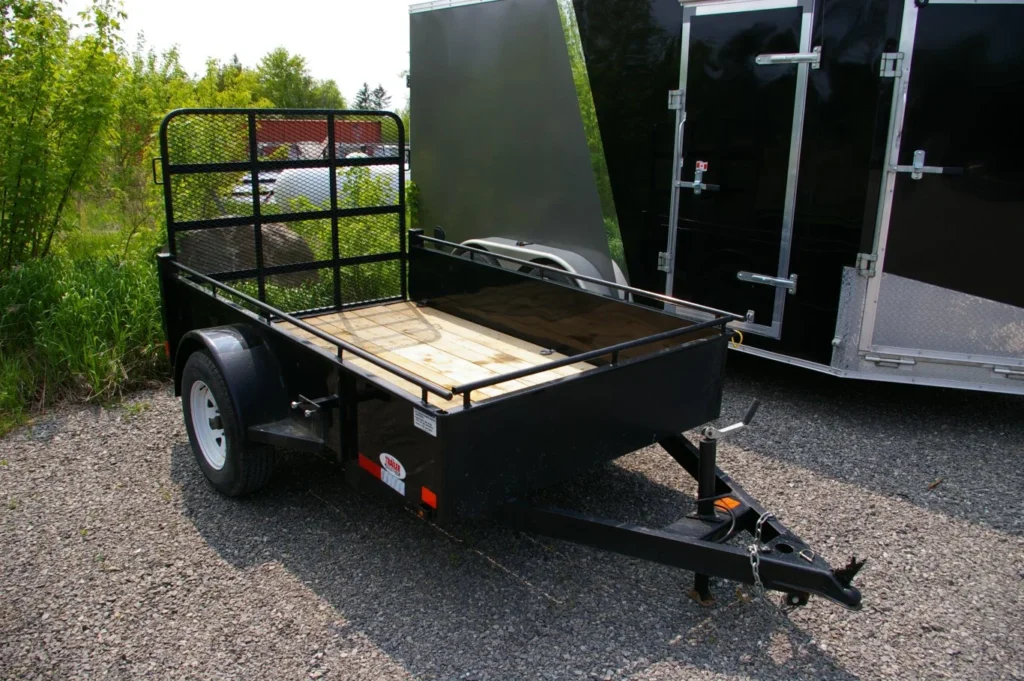
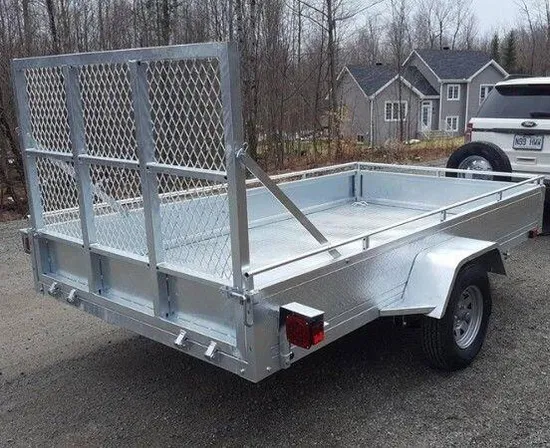
This 2026 7×14 utility trailer is a black steel, tandem axle open trailer with a 7,000 lb GVWR. It’s the size a lot of people end up buying after they’ve outgrown a small single axle trailer and want something that can carry real loads without stepping up to a work truck.
What you get with this 7×14 utility trailer
The deck is 7 ft wide and 14 ft long, roughly 2.1 x 4.3 m. That fits a zero-turn mower plus equipment, a compact tractor, two ATVs, a small car on a pinch, or a big load of timber, pallets or garden supplies. Two axles share the weight, so the trailer tracks straight and doesn’t bounce around when it’s half empty.
Steel keeps the price down and makes repairs easy. Any welder can fix a bent rail or add a tie-down point, and if the black paint picks up chips, a quick touch-up keeps rust away.
Who it suits
- Landscapers and gardeners running a mower or two every day
- Small builders moving materials and tools
- Farmers and acreage owners who need an all-round trailer
- ATV and motorbike owners
- Homeowners who want one trailer that does almost everything
7×14 utility trailer specifications
| Year | 2026 |
|---|---|
| Deck size | 7 ft x 14 ft (2.1 x 4.3 m) |
| Axle | Tandem |
| Frame | Steel |
| Finish | Black |
| GVWR | 7,000 lb (3,175 kg) |
For empty weight, tire size, gate type or brake setup on this exact unit, ask and we’ll check it for you.
Why a 7×14 utility trailer is such a popular size
Seven feet wide clears most machines and still fits behind a full-size pickup without feeling wider than your truck. Fourteen feet long gives you room for two machines or one machine plus its attachments, while staying short enough to turn around in a normal driveway. It’s big enough to be useful every day and small enough that you’ll actually hook it up.
A smaller trailer means more trips. A longer one means more weight, more cost and harder parking. For most people, a 7×14 utility trailer lands right in the middle.
Towing a 7×14 utility trailer
The 7,000 lb GVWR (about 3,175 kg) is the total the trailer and load should weigh. If that’s a new term, there’s a clear explanation of gross vehicle weight rating worth reading. Check your tow vehicle’s limit, and remember the trailer’s own weight eats into it.
Put roughly 60 percent of the weight ahead of the axles. At this weight you’ll want trailer brakes and a brake controller, so ask us how this one is equipped. A half-ton pickup or a large SUV with the right rating usually handles it well.
Hitching up
- Chock the trailer wheels on level ground.
- Raise the coupler above your ball and back up slowly.
- Lower it on, close the latch and put the pin in.
- Cross the safety chains and attach the breakaway cable if fitted.
- Plug in, then check brake lights, indicators and tail lights.
- Raise the jack, remove the chocks and check the gate is pinned.
Do it the same way every time and you won’t forget a step.
Loading tips
Drive machines on slowly and straight, in low gear. Heavy items go just ahead of the axles, lighter ones toward the back. Strap each machine at four points, and use ratchet straps rather than rope. Rope stretches, ratchet straps don’t.
For loose material like mulch or green waste, a tarp or net stops it blowing out. Many places fine drivers for uncovered loads.
Looking after a steel trailer
Wash off mud and salt, touch up chips before they rust, and grease the bearings once a year. Check tire pressure before long trips and test the lights every time you hook up your 7×14 utility trailer. If the deck is wood, a coat of sealer every year or two helps it last.
Mistakes to avoid
Overloading is the most common. A 7×14 utility trailer has a lot of deck, and it’s easy to keep adding until the weight goes past the GVWR. Weigh a typical load once if you’re unsure.
The second is putting too much at the back, which makes the trailer sway. The third is driving with the gate down or unpinned. The fourth is ignoring tire pressure on a trailer that’s been sitting.
How owners use a 7×14 utility trailer
Landscape crews use it as a daily workhorse. Farmers move fencing, feed and small machines. DIY renovators haul timber, plasterboard and rubbish. Families use a 7×14 utility trailer to move house or take ATVs and camping gear on holiday. One trailer covers a lot of jobs.
Compare other utility trailers
Want the same size without the rust? The 7×14 aluminum utility trailer is lighter and never needs paint. For smaller jobs, the 5×10 steel utility trailer and the 5×8 utility trailer are easier to store and tow. If you need to keep things dry, look at our enclosed trailers.
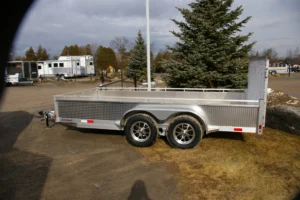 7×14 aluminum utility trailer
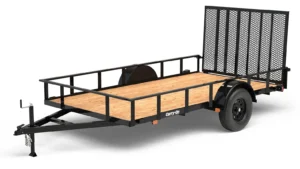 5×10 steel utility trailer
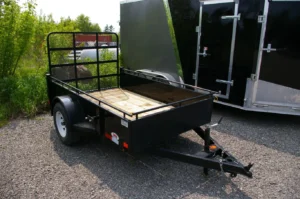 5×8 utility trailer
Not sure which way to go? Our post on choosing the right trailer for work, travel and everyday hauling helps.
Accessories worth adding
Most owners pick up a few extras in the first month. Ratchet straps and wheel chocks for machines. A spare wheel and a jack that fits. A coupler lock, because a 7×14 utility trailer parked outside is an easy target. A cargo net or tarp for garden waste and loose loads. If you carry mowers every day, a trimmer rack and a lockable tongue box keep small tools organised and out of the way.
Is a 7×14 the right size for you?
If you mostly move a single ride-on mower, garden waste or furniture, a 5×8 or 5×10 is cheaper and easier to store. If you regularly carry two machines, a compact tractor or long loads like timber and pipe, a 7×14 utility trailer gives you the room without the bulk of a 16 or 20 footer.
Go longer only if you know you need it. Every extra foot adds weight and cost and makes parking harder. For most households and small businesses, a 7×14 utility trailer is enough for nearly every job.
Pre-trip checklist
- Coupler latched and pinned, chains crossed and hooked
- Breakaway cable attached if fitted
- Lights, brake lights and indicators working
- Tire pressures right and wheel nuts tight
- Gate up and pinned
- Load strapped and covered if loose
Do this every time and you’ll avoid most roadside problems.
Storing your trailer
Park on level, firm ground with the jack on a block. If the trailer sits for weeks, move it now and then so the tires don’t flat-spot, and check pressures before you use it again. Touch up chips before storing it for winter. A cover or a spot under a roof helps a steel 7×14 utility trailer and its deck boards last longer, and a coupler lock or wheel clamp keeps it where you left it.
Trailer terms explained
These terms come up when you compare a 7×14 utility trailer with other sizes.
- GVWR: the most the trailer and its load can weigh together.
- Payload: the GVWR minus the trailer’s empty weight. This is what you can actually carry.
- Tongue weight: the downward weight on your hitch, usually around 10 to 15 percent of the loaded weight on a bumper pull trailer.
- Tandem axle: two axles, one behind the other, that share the load and make the trailer more stable.
- Breakaway cable: a cable that applies the trailer brakes if it ever comes off the hitch.
- Brake controller: the unit in your vehicle that runs the trailer’s electric brakes.
Before you buy
Check your tow rating, measure where you will park the trailer and think about the heaviest load you carry most weeks. That tells you more than any brochure.
Common questions
Can an SUV tow a 7×14 utility trailer?
A large SUV with the right tow rating can, especially with lighter loads. Check the rating and the trailer’s empty weight first.
Will a compact tractor fit?
Most compact tractors fit on a 7 ft wide deck. Measure the width across the rear tires and check the weight against the GVWR.
Steel or aluminum?
Steel costs less and repairs easily. Aluminum weighs less and doesn’t rust. If the trailer lives under cover, steel is great value.
Does it need registration?
That depends on where you live. Check with your local road authority. We supply the paperwork that comes with the trailer.
What to check when it arrives
Check the lights with your vehicle, the coupler fit, tire pressures and wheel nuts. Lower and raise the gate. Ask about the brake setup and the bearing service interval, and re-check wheel nuts after the first 50 to 100 km.
Buy this 7×14 utility trailer
This 7×14 utility trailer is for sale now. Add it to your cart, or get in touch with any questions about the build, brakes or delivery. You can also see all our utility trailers or browse the shop.
Reviews
There are no reviews yet.