
Description
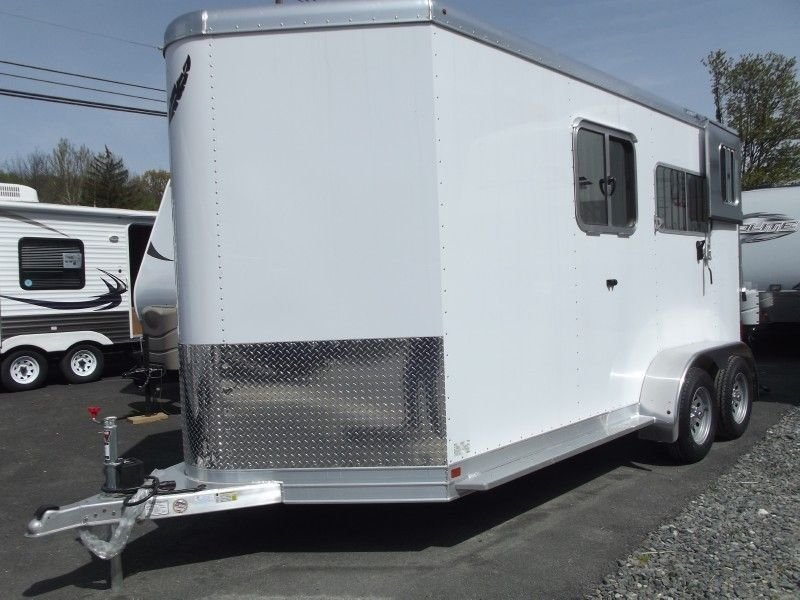
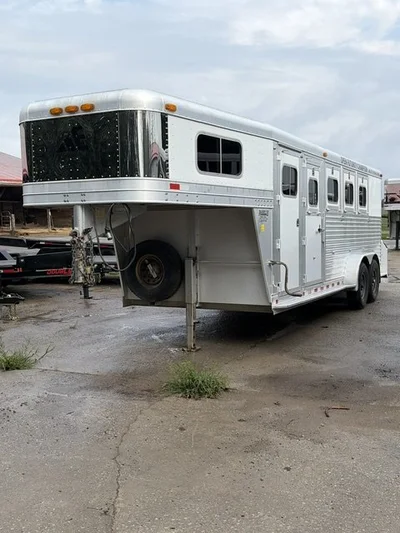
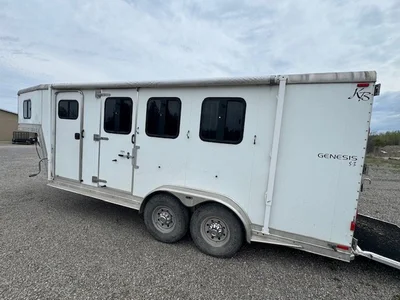
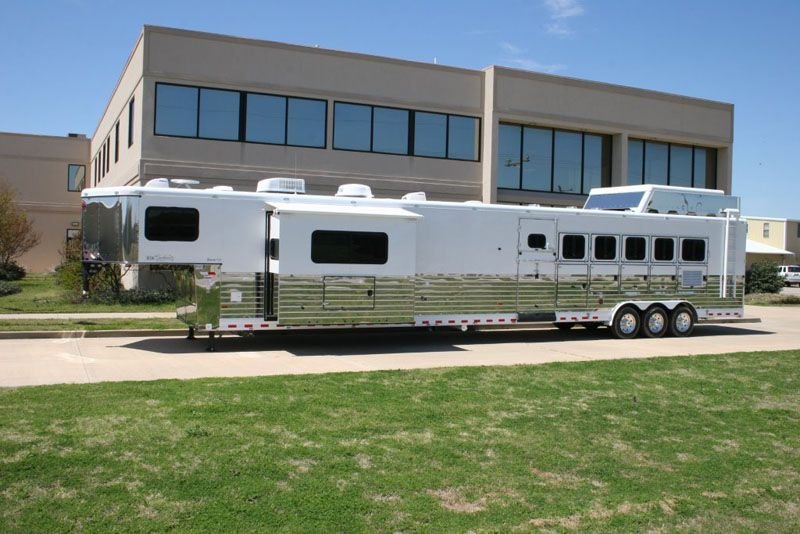
This 2026 straight load horse trailer is a white aluminum bumper pull with a rear ramp, a tall 90 inch interior and a 7,000 lb GVWR. Horses face forward side by side, the way many people prefer for big horses and nervous travellers. It is for sale now.
What you get with this straight load horse trailer
In a straight load, each horse has its own stall facing the front, with a breast bar and a butt bar. The 90 in (2.29 m) height gives tall horses plenty of headroom. The rear ramp lets horses walk up rather than step up, which many find less stressful. Aluminum keeps it light and rust-free.
The 7,000 lb (3,175 kg) GVWR covers two large horses, tack, hay and water with a good margin. Ask us to confirm the number of stalls on this unit.
Who it suits
- Owners of tall warmbloods and drafts
- Horses that don’t like stepping up
- Dressage and show riders
- Anyone who prefers straight stalls
Straight load horse trailer specifications
| Year | 2026 |
|---|---|
| Load style | Straight load |
| Interior height | 90 in (2.29 m) |
| Rear door | Ramp |
| Hitch | Bumper pull |
| Construction | Aluminum |
| Color | White |
| GVWR | 7,000 lb (3,175 kg) |
Ask us for stall count, stall widths, tack area, escape doors and empty weight.
Straight load or slant load?
Straight loads give each horse a defined stall and easy access to its head through front doors. They suit large horses well. Slant loads usually fit more horses into the same length. Neither is better for every horse; it depends on how your horse travels.
Towing a straight load horse trailer
Check your truck’s ratings against the loaded weight. The gross vehicle weight rating includes the trailer. Aluminium construction keeps the empty weight low, leaving more of the rating for horses.
Loading
With two horses, load the heavier one on the left, the side nearest the road crown in right-hand traffic. Secure the butt bar before tying the head.
Mistakes to avoid
Tying the head before the butt bar is in place. If the horse backs up, it can panic.
Pre-trip checklist
- Coupler latched and pinned, safety chains crossed and hooked
- Breakaway cable clipped to the vehicle, not to the chains
- Trailer brakes tested at walking speed
- All lights and indicators working
- Tire pressures and wheel nuts checked
- Load chained or strapped, weight just ahead of the axles
- Jack raised and ramps or doors secured
Run through this every time you hook up your straight load horse trailer. Then check the load again after the first few kilometres, because things settle.
Trailer terms explained
Terms worth knowing when you shop for a straight load horse trailer:
- GVWR: the most the trailer, horses, tack, water and hay can weigh together.
- Slant load: horses stand at an angle across the trailer, which keeps it shorter.
- Straight load: horses stand facing forward, side by side.
- Bumper pull: hitches to a ball at the back of your vehicle.
- Gooseneck: hitches in the truck bed over the rear axle, which steadies heavy trailers.
- LQ: living quarters, the camper-style space at the front of some trailers.
How owners use a straight load horse trailer
Dressage riders move big horses to shows. Breeders carry mares and foals. A straight load horse trailer with a ramp suits horses that are fussy about loading.
Storing it
Clean out manure and bedding, lift the mats and let the floor dry fully before you park it. Leave a vent open, close the doors to keep animals and birds out, and park on level ground. Move the trailer every few weeks so the tires do not flat-spot, and check brakes and lights before the next season. A clean, dry straight load horse trailer lasts far longer.
Compare other horse trailers
For a slant layout, see the 3 horse trailer. The 2 horse trailer is another compact choice. For more horses, look at the 3 horse slant load trailer.
Read choosing a trailer for work, travel and everyday hauling.
Accessories worth adding
Trailer ties with quick-release snaps, hay nets, a horse first aid kit and a water container are the basics. A spare tire with a ramp or block for changing it saves a lot of trouble. A camera system lets you watch the horses from the cab. Shipping boots or wraps protect legs, and a coupler lock keeps your straight load horse trailer safe when parked at shows or at home.
Before you buy
Measure your horses, height at the withers and length, and ask us for the stall sizes and interior height. Check your truck can tow the loaded weight, including horses, tack, water and hay, and that you have a brake controller. Think about where you will park the trailer and how you will load at home. If everything lines up, this straight load horse trailer will suit you. If you are unsure, send us your details and we will give you a straight answer.
Driving with horses
Drive as if you have a glass of water on the dashboard. Smooth starts, slow corners and gentle braking let your horses keep their balance. Stop every few hours on long trips to offer water and check on them. Keep vents open for air without strong drafts on their faces. A calm drive means your horses arrive fresh, which matters on show days and long trips in your straight load horse trailer.
Common questions
How many horses does this straight load horse trailer carry?
Ask us to confirm the stall count on this unit.
Is 90 inches enough for a 17.2 hand horse?
Usually yes. Ask us for stall length too.
Are there escape doors?
Ask us for the layout.
How often should I service it?
Check bearings, brakes and tires at least once a year, and the floor under the mats more often.
Can I leave hay in the trailer?
Short term yes, but do not store damp hay inside for long, since it holds moisture against the floor.
Do you offer delivery?
Ask us about delivery to your area when you order your straight load horse trailer.
What to check when it arrives
Check the ramp, bars, dividers, floor, lights, brakes and tyres.
Floors and mats
The floor carries all the weight of your horses, so it’s worth a proper look a few times a year. Lift the rubber mats, wash underneath and let everything dry before you lay them back. Urine and wet bedding trapped under mats are what damage floors, aluminum included.
Check for soft spots, cracks or corrosion around the edges and fixings. Good mats also cut down on noise and vibration, which helps nervous travellers settle. If the mats in your straight load horse trailer are worn thin or curling, replace them before the next season.
Teaching a horse to load
Most loading problems are training problems, not trailer problems. Practise at home when you’re not in a hurry. Lead the horse up calmly, reward each step, and let it come back out before it gets worried. Short, successful sessions beat one long battle.
Park on level ground with the trailer hitched, so it doesn’t move under the horse. Open everything up so the inside looks light and roomy. A calm, experienced horse loaded first often helps a nervous one follow it into your straight load horse trailer.
Matching the hitch
Ball size has to match the coupler exactly. A 2 in ball in a 2 5/16 in coupler can pop off over a bump. Check the rating stamped on the ball, the drawbar and the receiver, and go by the lowest of the three.
Ride height matters too. Your straight load horse trailer should sit level or a fraction nose down when hitched. If it tips back, get a drop or rise drawbar to fix it rather than living with it, because a nose-high trailer sways more and wears its tires unevenly.
Ventilation and temperature
Horses produce a lot of heat and moisture, and a closed trailer warms up fast. Open the roof vents and drop-down windows on warm days, and keep air moving even in winter so ammonia and dust don’t build up. Fly screens help in summer.
Never leave horses standing in a parked trailer in the sun. If you’re stuck in traffic on a hot day, open everything you safely can. Light-colored roofs, like the one on this straight load horse trailer, stay noticeably cooler than dark ones.
Tires and wheel bearings
Trailer tires age faster than they wear. A set can look fine on tread and still be cracked in the sidewalls after five or six years, especially if the trailer sits outside in the sun. Check the date code on the sidewall when you buy spares, and keep them at the pressure printed on the tire, not the one on your tow vehicle door.
Bearings want fresh grease about once a year or every 12,000 miles (20,000 km), whichever comes first. Feel the hubs with the back of your hand at a fuel stop. Warm is normal. Too hot to touch means stop and look before going further. A spare wheel that fits your straight load horse trailer is cheap insurance, so carry one.
Talk to us before you order
Every buyer tows something different and carries something different. If you want to double-check that this straight load horse trailer suits your vehicle, your hitch or the load you have in mind, send us a message with the details. We will give you a plain answer, tell you what we know about this exact unit and point you to another model if it fits your needs better. No pressure, just straight advice.
Buy this straight load horse trailer
This straight load horse trailer is for sale now. Add it to your cart or contact us. See every horse trailer for sale, our bumper pull horse trailers, or the shop.
Reviews
There are no reviews yet.